
11 min read
Best Forbidden Romance Books Where The Rule Actually Matters
The best forbidden romance books make the rule cost something real. Choose by identity, family, loyalty, professional ethics, public credibility, or workplace authority.
Quick Answer
What Are The Best Forbidden Romance Books?
The best forbidden romance books are the ones where the rule has real consequences. Start with Punk 57 for identity betrayal, Birthday Girl for family fallout, Twisted Love for protector loyalty, Unassisted for athletic therapist and player ethics, or Between the Glass for athlete and journalist pressure.
Best quick picks
- Identity BetrayalPunk 57
- Family FalloutBirthday Girl
- Hockey EthicsUnassisted
Choose by rule type: identity, family, loyalty, professional ethics, public credibility, or workplace authority.
The best forbidden romance keeps the cost visible after attraction starts.
Unassisted, Between the Glass, and Last Save cover three forbidden hockey lanes.
Sample Ice and Instinct free before choosing your first forbidden hockey route.
Why The Rule Has To Hurt
The best forbidden romance books are most satisfying when the rule is not decorative. The relationship has to cost something real: credibility, family trust, professional safety, public reputation, or the version of a life that kept a character protected.
My favorite forbidden romances do not ask, "Will people approve?" They ask, "What breaks if these two choose each other anyway?" This list is organized by the kind of rule being crossed: identity, family, loyalty, professional ethics, public credibility, and workplace authority. That is the difference between a book with a spicy label and a book where every scene feels charged.
Start with Punk 57 if you want deception and emotional detonation, Birthday Girl if you want taboo family fallout, Twisted Love if you want protective intensity, Unassisted if you want professional ethics inside hockey romance, or Between the Glass if you want media access, public truth, and private want fighting in the same room.
Start With These Five If You Want The Rule To Matter
This table is the fastest way to choose. I am leading with five different kinds of forbidden pressure, because "forbidden" can mean very different things depending on what the characters risk.
| Book | Rule Being Broken | Heat | Best Reader Fit | Start Here |
|---|---|---|---|---|
| Punk 57 by Penelope Douglas | Hidden identity, deception, betrayal | High | You want messy confrontation and a reveal that changes every memory. | Find on Amazon |
| Birthday Girl by Penelope Douglas | Family boundary, age gap, household loyalty | High | You want taboo tension with emotional fallout beyond the couple. | Find on Amazon |
| Twisted Love by Ana Huang | Brother's best friend, protector duty, loyalty | High | You want dark protective energy and a hero who makes restraint feel dangerous. | Find on Amazon |
| Unassisted by H.A. Laine | Athletic therapist and injured captain ethics | Steamy | You want forbidden hockey romance where restraint is part of the ache. | Book page and Amazon |
| Between the Glass by H.A. Laine | Athlete and journalist ethics | Medium | You want public truth, private intimacy, and a heroine protecting her credibility. | Book page and Amazon |
Cover Shelf
Five Rules Worth Breaking On The Page
Each cover anchors a different kind of forbidden pressure: identity, family, loyalty, clinical ethics, and public credibility.
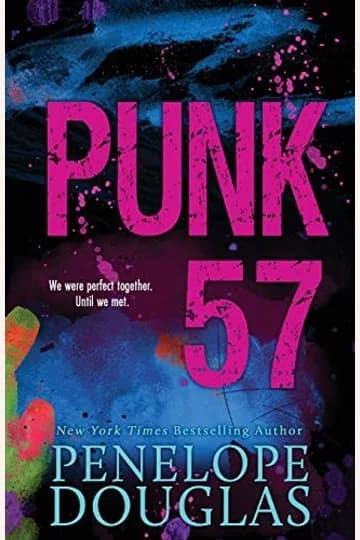
Best for
You want deception, confrontation, and messy emotional fallout.
Heat
High
Why it fits
The pressure comes from identity and the damage caused by what the characters hide.
Tropes

Best for
You want a family boundary that changes every room.
Heat
High
Why it fits
The forbidden element works because the relationship disrupts an existing household system.
Tropes
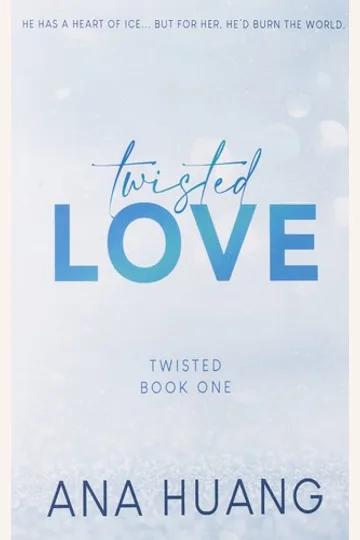
Best for
You want protective intensity and a sharper edge.
Heat
High
Why it fits
The emotional charge comes from proximity, loyalty, and the wrong-person boundary.
Tropes
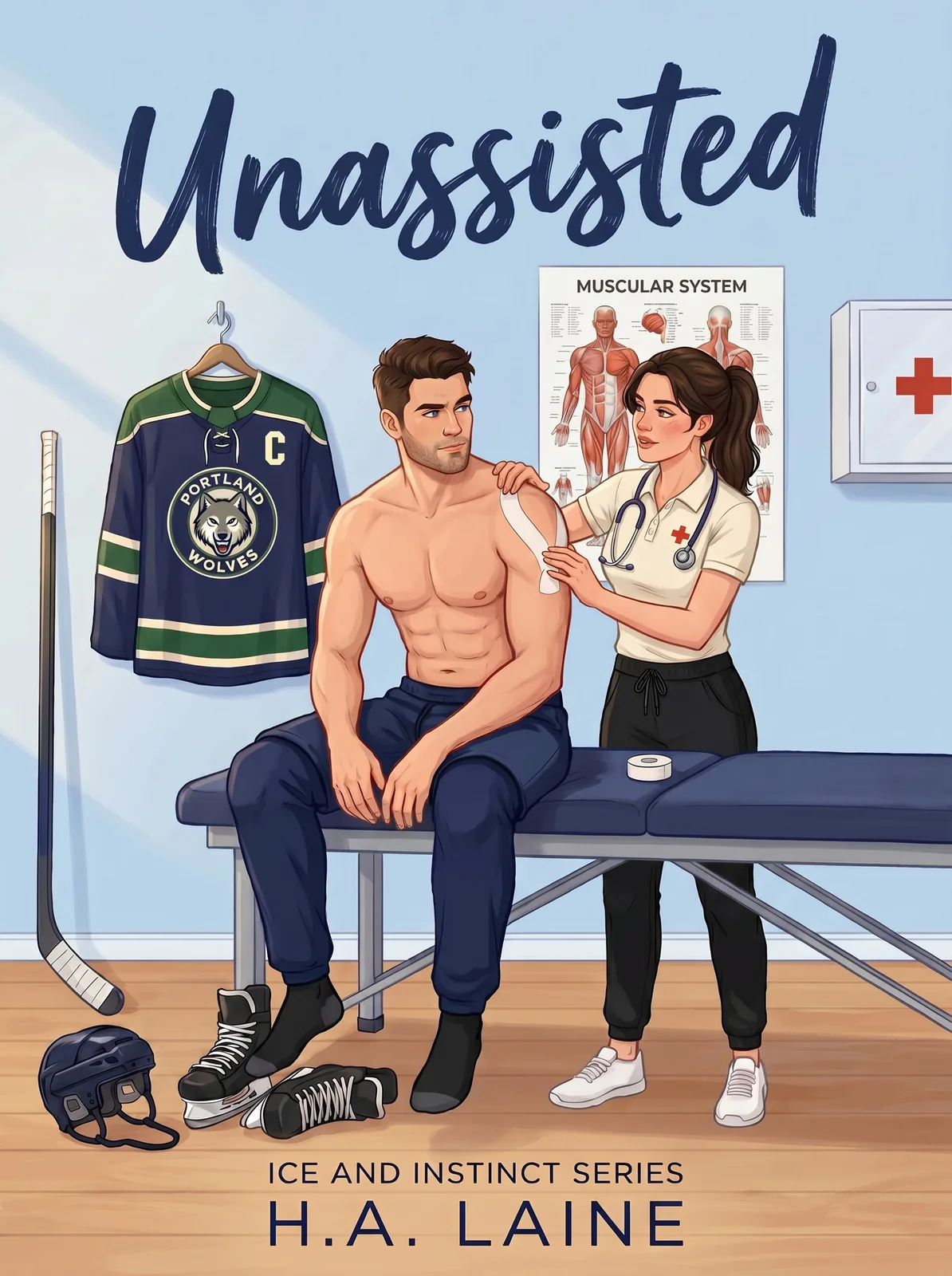
Best for
You want professional ethics and restraint before payoff.
Heat
Steamy
Why it fits
The barrier is not social disapproval. It is a career and consent structure that matters.
Tropes
Kindle Unlimited
Read on Amazon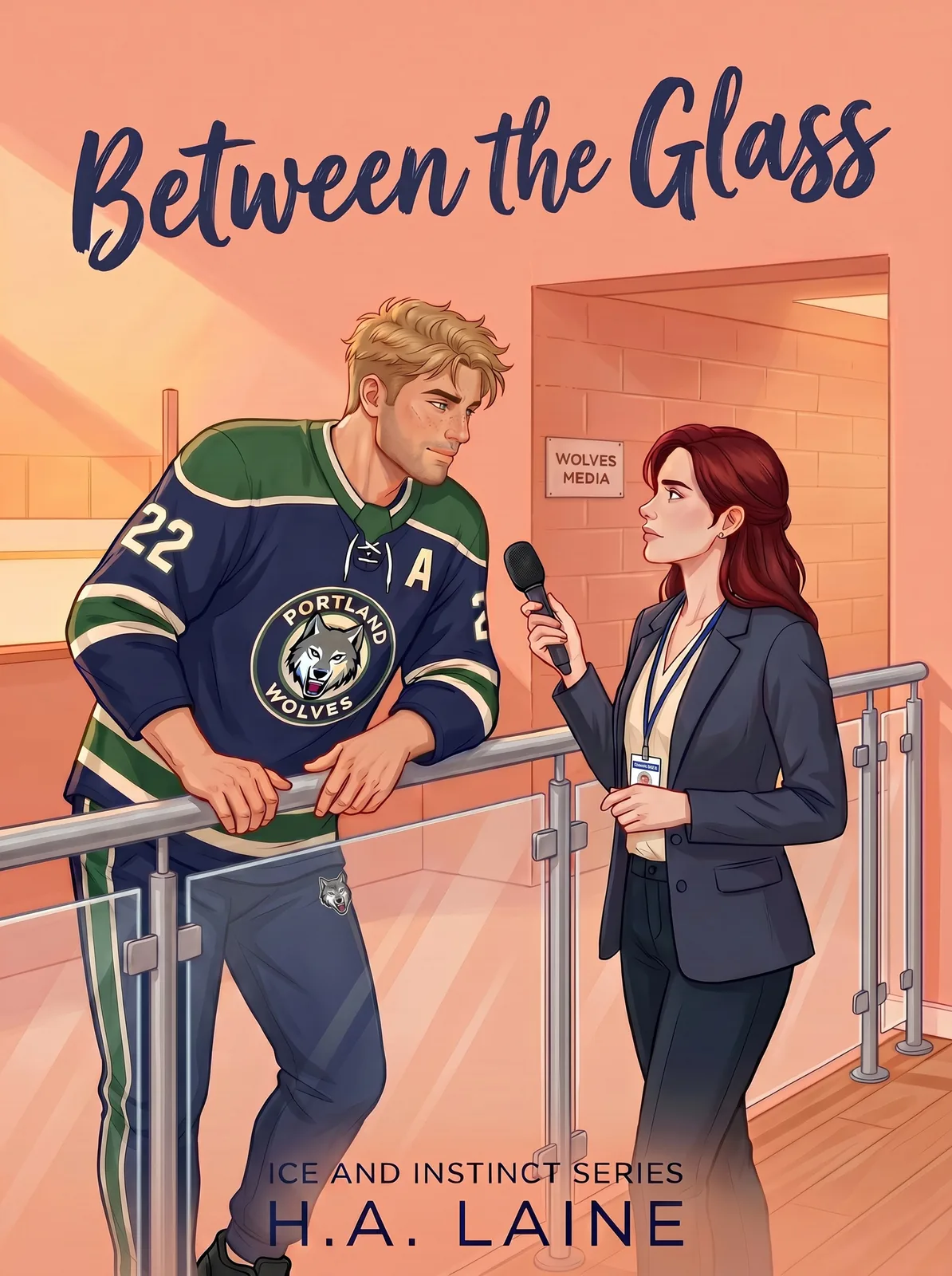
Best for
You want public truth against private intimacy.
Heat
Medium
Why it fits
The romance becomes dangerous because the heroine's work depends on credibility.
Tropes
Kindle Unlimited
Read on AmazonWhy These Five Lead The List
A forbidden romance list needs taste. Otherwise it becomes a shelf of famous titles with the word "taboo" pressed onto the spine.
Punk 57 leads because the forbidden pressure is personal and vicious. The relationship is built on hidden identity, projection, and betrayal, so the romance has to survive the moment the fantasy collapses. If you like your forbidden tension messy, angry, and difficult to tidy up, this is the first door.
Birthday Girl belongs because the barrier changes the entire household. This is not a romance where one person shrugs and decides the rule was silly. The age gap and family boundary alter every room the characters enter, which is why the book has stayed so searchable among taboo romance readers.
Twisted Love is the sharper, more protective lane. The brother's-best-friend setup gives the romance a loyalty problem before the attraction even starts. Alex Volkov is not soft around the edges, and the book works best for readers who want danger wrapped around devotion.
Unassisted is my book, and I am saying that plainly because reader trust matters.
I am including it because the forbidden line is not cosmetic: Elena is the athletic therapist responsible for Declan Rourke's shoulder rehab, and Declan is the injured captain whose return to the ice depends on a woman he cannot stop noticing.
The romance works because the clinical boundary is always in the room. Touch has a purpose before it has a pulse.
Between the Glass is also mine, and it earns its place for a different reason. Renee Lavoie is a sports journalist. Ben Kowalski is the player she is covering. The danger is not only that someone finds out. The danger is that Renee's credibility, access, and professional judgment are the very things Ben is drawn to. If Unassisted is forbidden through care, Between the Glass is forbidden through truth.
Pick By The Price The Characters Pay
After you know the leading paths, choose by consequence rather than by heat level alone.
Choose identity betrayal if you want the relationship to explode before it can heal
Go to Punk 57 when you want the forbidden feeling to come from secrets, masks, and the damage of realizing the person you trusted was also the person hurting you. This is the angriest lane on the list, and that is the appeal.
Choose family fallout if you want every room to feel loaded
Go to Birthday Girl when you want a book where desire does not stay private. The boundary sits inside the household, which means the romance cannot be separated from loyalty, shame, comfort, and disruption.
Choose protector loyalty if you want danger with devotion
Go to Twisted Love when you want a hero whose intensity is part of the conflict. The forbidden element is less institutional than Unassisted or Between the Glass, but the loyalty knot gives the relationship a reason to feel risky before it turns intimate.
Choose professional ethics if you want restraint to ache
Go to Unassisted when you want the rule to be practical and emotional at the same time. Elena does not have the luxury of pretending Declan is just a man in a room. He is a player under her care, a body she is responsible for, and a captain whose vulnerability changes how she sees him.
Choose public credibility if you want the private moments to have a shadow
Go to Between the Glass when you want a forbidden romance where the heroine's ambition matters. Renee's work is not a background trait. It is the pressure system. Every off-the-record conversation with Ben has emotional weight because the public record still exists.
How To Choose If You Only Know The Feeling You Want
Forbidden romance readers usually know the feeling before they know the title. That is normal. The trope is less about a single setup and more about the pressure sitting around the couple.
If you want anger before tenderness, choose Punk 57. The pleasure of that book is watching trust get damaged before it can become desire again. It is not the softest lane, and it should not be.
If you want a house where every glance has witnesses, choose Birthday Girl. The taboo is not abstract. It sits at the dinner table, in the hallway, in the ordinary parts of domestic life that suddenly feel overheated.
If you want dangerous devotion, choose Twisted Love. This is the lane for readers who want a hero whose loyalty is not gentle, whose protection has sharp edges, and whose love creates almost as much trouble as it solves.
If you want restraint with a pulse underneath it, choose Unassisted. The tension is not loud at first. It sits in the professional line Elena keeps drawing and Declan keeps feeling even when he says nothing.
If you want truth to be the dangerous thing, choose Between the Glass. Renee and Ben are not only hiding attraction. They are negotiating what can be public, what has to stay private, and what intimacy costs a woman whose work depends on being believed.
This is why I do not rank forbidden romance by heat alone. Heat tells you how open the door is. Consequence tells you why opening it matters.
What Makes A Forbidden Romance Feel Earned
The rule has to exist before the couple wants to break it.
That sounds simple, but it is the line I use when deciding whether a forbidden romance has real voltage. If the problem disappears the moment the characters say they are in love, the rule was probably there for decoration. If the problem remains, and the couple still has to make a choice with consequences, the book has weight.
The books that stay with me make the rule feel load-bearing before the first scene of attraction. The protection it offers is real, whether that is professional safety, family trust, or the version of a reputation that took years to build. When someone in the story loses that protection, or risks losing it, the romance stops feeling decorative.
A friend group being annoyed is not enough by itself. A brother rolling his eyes is not enough by itself. A workplace being inconvenient is not enough by itself. Those things can support a forbidden romance, but they cannot carry one unless the book makes the cost tangible.
The stronger version helps you understand the rule. Elena's clinical boundary matters because athletes depend on trust in the treatment room. Renee's journalism boundary matters because access without credibility is just proximity. Birthday Girl's household boundary matters because love does not happen in a vacuum.
That is the taste line for me. I am not looking for the most shocking setup. I am looking for the setup that keeps pressing on the characters after the attraction becomes obvious. The best forbidden romance lets you understand why the characters hesitate, even while you are impatient for them to stop hesitating.
That tension is the point: wanting the door open while knowing exactly why it has stayed closed. If the closed door never made sense, opening it cannot feel like victory, only permission finally granted by the plot at the end.
More Forbidden Romance Books Worth Reading
These are different lanes for different readers, and I would hand them to you after I knew what kind of forbidden pressure you wanted.
The Deal by Elle Kennedy earns its place for readers who want athlete-and-tutor tension with campus social pressure and more banter than consequence. Choose it when you want the forbidden setup without the professional or family stakes, and a lighter entry point before stepping toward higher-cost territory.
Things We Never Got Over by Lucy Score is softer on the forbidden label and stronger on small-town consequence. Choose it when you want reputation, caretaking, family mess, and a whole town watching the relationship take shape.
Credence by Penelope Douglas is the darkest, most polarizing title here. I would not make it your first stop unless you already know you want an isolated, boundary-heavy read with no comfortable edges. Choose it when you know you want the furthest edge of this trope and you are not looking for comfort on the other side of it.
If You Want Forbidden Hockey Romance
Start with Unassisted if you want Book 1 of Ice and Instinct, high heat, an injured captain, an athletic therapist who does not bend easily, and a forbidden line that makes every rehab room scene tighter.
Start with Between the Glass if you want Book 2, medium heat, a journalist heroine, a player who keeps offering truth in the wrong context, and a romance built around what can and cannot go on the record.
Start with Last Save if you want Book 5, high heat, a thirty-seven-year-old league compliance attorney, a twenty-four-year-old goalie, and a thirteen-year forbidden workplace line where authority, investigation, and wanting the truth all matter.
All three forbidden hockey paths are available on Amazon and Kindle Unlimited: Unassisted on Amazon, Between the Glass on Amazon, and Last Save on Amazon. If you want the full series path first, use the Ice and Instinct reading order or browse the complete Ice and Instinct series.
If you want to read the opening before committing, get the free starter library and start with Book 1 risk-free. If you want to choose by hockey-romance lane first, use the Hockey Romance Reader Field Guide.
Related Reading
- Hockey Romance Reader Field Guide: choose by trope, heat, rink pressure, and series path.
- Why Forbidden Romance Works: the psychology behind rules, risk, and wanting what should be off-limits.
- What Is Forced Proximity Romance and Why Do Readers Love It?: when the room itself becomes pressure.
- Slow Burn Romance That Actually Pays Off: books where the wait does real work.
- He Falls First Romance Books: when the hero is gone before anyone names it.
- Ice and Instinct Reading Order: the complete H.A. Laine series path.
The Bottom Line
If you want the cleanest answer, start with Punk 57 for messy identity betrayal, Birthday Girl for taboo family fallout, Twisted Love for dangerous devotion where the hero's loyalty is a problem before it is a comfort, Unassisted for hockey romance where professional ethics make restraint part of the ache, or Between the Glass for athlete-journalist tension where the professional line stays complicated, or Last Save for forbidden workplace authority with a thirty-seven-year-old league compliance attorney and a twenty-four-year-old goalie.
Forbidden romance only works when the rule matters. Pick the book where the cost feels like the thing you came to read.
Frequently Asked Questions
- What are the best forbidden romance books?
- Start with Punk 57 by Penelope Douglas for identity betrayal, Birthday Girl by Penelope Douglas for taboo family fallout, Twisted Love by Ana Huang for protector pressure, Unassisted by H.A. Laine for athletic therapist ethics, Between the Glass by H.A. Laine for athlete and journalist tension, or Last Save by H.A. Laine for workplace authority.
- What makes a forbidden romance book satisfying?
- A satisfying forbidden romance gives the rule a real cost. The relationship should risk credibility, family trust, professional safety, reputation, or identity. If the rule disappears the moment the couple admits their feelings, the trope usually feels weaker.
- Are forbidden romance books always dark romance?
- No. Some forbidden romance books are dark or taboo, but others are emotional, tender, or professionally restrained. The forbidden element describes the rule being crossed, not the darkness level.
- Which forbidden romance should I start with if I want hockey romance?
- Start with Unassisted by H.A. Laine if you want an athletic therapist and injured captain. Try Between the Glass next for athlete and journalist ethics, or Last Save for workplace authority between a thirty-seven-year-old league compliance attorney and a twenty-four-year-old goalie.
- Is Unassisted a forbidden romance?
- Yes. Unassisted is a forbidden hockey romance because Elena Marlowe is the athletic therapist managing Declan Rourke's shoulder rehab. The professional line matters throughout the relationship.
- Is Between the Glass a forbidden romance?
- Yes. Between the Glass is a forbidden hockey romance about Ben Kowalski, a Portland Wolves player, and Renee Lavoie, the sports journalist covering him. The conflict comes from media access, public truth, and professional credibility.
- What is the difference between taboo romance and forbidden romance?
- Forbidden romance means the relationship crosses a rule or boundary with consequences. Taboo romance usually pushes into more socially uncomfortable territory. The two can overlap, but a forbidden romance does not have to be dark or extreme to work.
Reader Path
Want This Emotional Frequency In Hockey Romance?
Start Ice and Instinct for forbidden slow burn, guarded characters, professional stakes, and books that reward the wait.