

10 min read
Slow Burn Romance Books That Actually Pay Off
Slow burn romance books where the wait earns its payoff through trust, restraint, visible change, and reader-satisfying heat.
Quick Answer
What Slow Burn Romances Actually Pay Off?
The best slow burn romance books make the wait change the characters before the relationship becomes official. Start with The Wall of Winnipeg and Me for long domestic patience, Wait for It for quiet steadiness, From Lukov with Love for sports rivalry, Kulti for mentor pressure, and Unassisted for forbidden hockey restraint with a steamy payoff.
Best quick picks
- Longest waitThe Wall of Winnipeg and Me
- Quietest careWait for It
- Sports restraintFrom Lukov with Love
- Mentor pressureKulti
- Forbidden hockeyUnassisted
A slow burn pays off when restraint changes behavior, not when the kiss is simply delayed.
Start with The Wall of Winnipeg and Me, Wait for It, From Lukov with Love, Kulti, or Unassisted.
The best slow burns leave evidence before the confession: attention, care, risk, touch, and choice.
Unassisted belongs here because its forbidden hockey romance makes restraint the actual conflict.
What Slow Burn Romance Means When It Actually Works
The best slow burn romance books pay off when the wait changes the characters before it changes their relationship status. The strongest ones do not ask you to sit through three hundred pages of nothing and then accept a sudden confession as payment. They give you evidence: attention, restraint, care, risk, and one final choice that would not have meant anything on page twenty.
If you want the fastest starting shelf, begin with The Wall of Winnipeg and Me, Wait for It, From Lukov with Love, Kulti, and Unassisted (Amazon). Those five cover the main waiting pleasures: domestic patience, daily steadiness, sports rivalry, mentor pressure, and forbidden hockey restraint.
The test I use is simple. Could the first kiss happen a hundred pages earlier without changing what it means? If yes, the book may be delayed, but it is not burning. A good one makes the room feel different by the time the touch arrives.
Mariana Zapata owns a lot of this reader lane, and the page should say that plainly. Unassisted earns its place differently. It is not trying to be a Zapata clone. It uses an injured captain, an elite athletic therapist, shoulder rehab proximity, and professional ethics to make restraint the actual conflict. If you want to choose by hockey trope, heat, and series path first, use the Hockey Romance Reader Field Guide.
First Two Slow Burns Set The Standard
These first two books are the baseline because they prove that quiet can still move. They do not rely on constant fireworks. They rely on repetition, attention, and the kind of care that becomes romantic before either person is ready to name it.
The Wall of Winnipeg and Me by Mariana Zapata
The Wall of Winnipeg and Me is the patience test. It works because the emotional movement is buried inside routine: shared space, practical help, forced proximity, and the kind of competence that starts to feel intimate because it is repeated.
Aiden and Vanessa are not a couple for a long time. That is the point. The pleasure is watching the relationship become undeniable through small behavioral shifts. He notices. She resists making that noticing mean too much. The book trusts the reader to feel the temperature change before the characters admit there is heat.
Choose this first if: you want a long, domestic, almost stubborn wait where the payoff feels like a locked door finally opening.
Wait for It by Mariana Zapata
Wait for It is the gentler kind of burn, but not the lighter kind. The tension comes from steadiness. Diana is carrying grief, responsibility, and a life that already asks a lot of her. The romance works because the hero's presence becomes reliable before it becomes romantic.
This is the kind of book that makes a quiet act feel louder than a speech. Someone shows up. Then shows up again. Then keeps showing up until the reader realizes the confession started long before anyone said it.
Choose this first if: you want domestic care, grief-softened tenderness, and a payoff built from consistency.
Lead Shelf
Five Slow Burns That Prove The Wait
These five lead picks show different versions of earned restraint: domestic patience, daily steadiness, sports rivalry, mentor pressure, and forbidden hockey ethics.

Best for
The longest, most patient payoff.
Heat
Slow
Why it fits
Shared space, practical help, and care that becomes undeniable.
Choose this if
You want the kiss to feel like a locked door finally opening.
Tropes

Best for
Quiet steadiness and care.
Heat
Slow
Why it fits
Grief, family, daily presence, and a romance built from showing up.
Choose this if
You want reliability to become the confession.
Tropes
Best for
Sports rivalry becoming trust.
Heat
Slow
Why it fits
Elite practice, partnership pressure, and respect before softness.
Choose this if
You want athletic discipline to carry the ache.
Tropes
Best for
Mentor pressure and public discipline.
Heat
Slow
Why it fits
Admiration, irritation, professional pressure, and equal footing.
Choose this if
You want awe to become irritation, then respect, then trust.
Tropes

Best for
Forbidden hockey restraint.
Heat
Steamy
Why it fits
Professional ethics, injury rehab, clinical distance, and attraction with a real cost.
Choose this if
You want slow burn where every touch has a boundary around it.
Tropes
Kindle Unlimited
Read on AmazonWhy These Five Come First
The lead shelf is not only a list of popular slow burns. It is a range of burn types. If one of these does not fit your mood, the reason will tell you where to go next.
I am deliberately not treating all eight titles as equal here. A reader asking for this trope done well usually wants confidence first, not a giant catalog. The best slow burn romance books make restraint visible in different ways, which is why these five lead.
Domestic patience, sports discipline, mentor pressure, and forbidden professional ethics are not interchangeable. They create different kinds of ache, which means the recommendation has to do more than name books. It has to tell you what kind of waiting you are choosing.
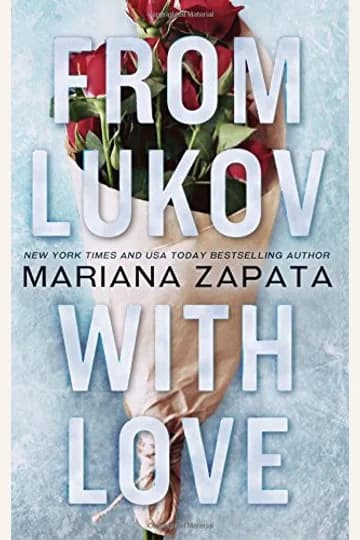
From Lukov with Love by Mariana Zapata
From Lukov with Love is for readers who want athletic discipline to become emotional discipline. The romance is built out of practice, repetition, pride, and the slow humiliation of realizing that the person who irritates you most may also be the person who sees your work most clearly.
The payoff lands because respect arrives before softness. That matters in sports romance. If the characters do not believe in each other's skill, the eventual tenderness feels decorative. Here, competence is the bridge.
Choose this first if: you want rivals, partners, elite pressure, and a burn that happens one practice at a time.
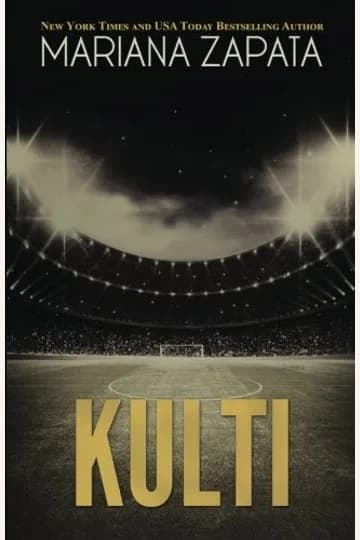
Kulti by Mariana Zapata
Kulti has a different kind of pressure. The hero is not just a love interest. He is a former idol, a mentor figure, and a public presence that changes the air around the heroine. That makes the wait feel weighted from the start.
What I like here is the restraint. Admiration has to become irritation, then respect, then trust, then something the characters can survive naming. The book takes its time because the power of the relationship changes as the heroine's view of him changes.
Choose this first if: you want sports, mentorship pressure, public discipline, and a very slow shift from awe to equal footing.
Unassisted by H.A. Laine
Unassisted is my book, so I want to be direct about why it is on this shelf. It belongs here because the restraint is not decorative. Declan is an injured hockey captain. Elena is the athletic therapist assigned to his recovery. Their attraction has a professional cost, and the restraint is the conflict.
I put it ahead of the continuation titles because it gives slow-burn readers the thing this post is sorting for: visible evidence before release. The training room is full of controlled language, medical boundaries, and hands that cannot mean what they start to mean. The heat matters because it arrives after ethics, fear, and trust have already changed the room.
Choose this first if: you want forbidden hockey romance, guarded adults, clinical restraint, and a romance that turns professional distance into pressure.
Read Unassisted on Amazon or start with the book page if you want the full series context first.
The reason it leads ahead of the three continuation picks is not ownership. It is fit. This post is sorting for active restraint on the page. In Unassisted, the treatment room, the injury protocol, and Elena's professional control put the relationship under pressure before either lead can safely admit what is happening. If that is the version of restraint you want, it should not be buried as an afterthought.
Quick Comparison: Slow Burn Payoff By Reader Mood
This table is the fast scan. The cover shelf gives you the feeling of the lead five. The table gives you the practical choice surface without making every title sound identical.
| Book | Burn style | Payoff signal | Heat | Best for |
|---|---|---|---|---|
| The Wall of Winnipeg and Me | Domestic patience | Small acts become impossible to dismiss | Slow | Readers who want the longest wait to feel earned |
| Wait for It | Daily steadiness | Reliability becomes romantic evidence | Slow | Readers who want grief, family, and quiet care |
| From Lukov with Love | Sports rivalry | Respect arrives before softness | Slow | Readers who want athletic discipline and rivals-to-partners pressure |
| Kulti | Mentor pressure | Admiration becomes equal-footed trust | Slow | Readers who want a public figure dynamic with emotional restraint |
| Unassisted (Amazon) | Forbidden hockey restraint | Professional boundaries turn every touch into a choice | Steamy | Readers who want slow burn with higher heat and real stakes |
| All Rhodes Lead Here | Grief and rebuild | Safety becomes possible before love does | Slow | Readers who want wilderness, recovery, and protective steadiness |
| Luna and the Lie | Workplace guardedness | Kindness breaks through a defended routine | Slow | Readers who want blue-collar pressure and emotional walls |
| Beach Read | Creative trust | Honesty changes how both people see love | Medium | Readers who want grief, banter, and emotional clarity |
Choose By The Kind Of Waiting You Want
The best pick for you depends on what kind of waiting feels satisfying. Some readers want the longest possible tension. Some want sports restraint. Some want a forbidden line that makes every careful choice louder.
Use the lanes here as a mood filter, then move to the notes below if you want more options.
This is also where the choice becomes personal. Some readers want the ache of competence. Some want the comfort of someone showing up so many times that the showing up becomes the language. Some want the line that should not be crossed because the line itself makes every careful look sharper. The recommendation only works if it names that difference.
Three More Patient Romance Reads To Keep On The Shelf
These are not leftovers. They are continuation picks. I would not start every reader here, but they are strong once you know which flavor of waiting you want.
All Rhodes Lead Here by Mariana Zapata
All Rhodes Lead Here is the pick when you want the wait to feel like shelter. It has grief, distance, wilderness, and a relationship that takes its time because the heroine is rebuilding more than a romantic life.
Choose this if: you want safety, recovery, and a slow move from guarded independence toward trust.
Luna and the Lie by Mariana Zapata
Luna and the Lie works for readers who like workplace closeness with emotional walls. The burn is less about grand romantic set pieces and more about the slow pressure of kindness landing where it is not expected.
Choose this if: you want blue-collar proximity, guardedness, and a heroine whose softness is not weakness.
Beach Read by Emily Henry
Beach Read is not the most glacial pick here, but it earns its place because the emotional reveal work is strong. The romance is tied to grief, creative honesty, and the slow correction of what each person thinks love has done to them.
Choose this if: you want slow emotional honesty with more banter and less sports-world pressure.
Why Slow Burn Feels Better Than Just Waiting
The trope works when the delay leaves proof behind. A look is not enough by itself. Neither is a near-kiss, a jealous beat, or one dramatic confession. The book has to stack moments until the ending feels less like a surprise and more like recognition.
There are five signals I trust as a reader:
- Attention appears before attraction is admitted. One character notices what everyone else misses.
- Care turns into action. The feeling becomes practical before it becomes spoken.
- Risk keeps increasing. Each step costs more than the last.
- Touch changes the room. Physical contact means something different because of what came before it.
- The final choice has a cost. The happy ending asks the characters to give up the defense that once kept them safe.
That is why I am harsher on this than almost any other romance promise. I will wait a long time for a kiss. I will not wait a long time for nothing. Give me the hand that pauses on the doorknob, the remembered coffee order, the stretch of silence where both people know the rule and neither one can pretend it still feels simple.
The sensory part matters more than people admit. A good book in this lane makes you feel the pause before the line break, the cold hallway outside the room, the scrape of a chair when somebody stands too quickly because staying seated would say too much. Those details are why the final scene can feel huge even if the action on the page is small.
When the payoff finally lands, I want to feel the whole book behind it.
Related Reading
- Books Like The Wall of Winnipeg and Me: slow-burn and sports-romance reads for Zapata readers.
- Best He Falls First Romance Books: when devotion shows up before the heroine can name it.
- Best Forbidden Romance Books: when the rule makes the feeling sharper.
- Hockey Romance Reader Field Guide: choose by trope, heat, rink pressure, and series path.
- Ice and Instinct Reading Order: start the complete H.A. Laine series in order.
- Ice and Instinct Series Page: browse every Portland Wolves book in one place.
The Bottom Line
The best books in this lane do not make you wait because the author is hiding the ending. They make you wait because the characters are changing in ways that need time to become visible.
Start with The Wall of Winnipeg and Me if you want the patience test, Wait for It if you want steadiness, From Lukov with Love if you want sports rivalry, Kulti if you want mentor pressure, or Unassisted if you want forbidden hockey restraint with a steamy payoff.
If professional boundaries, guarded hearts, and controlled attraction are your version of this trope, start with Unassisted or read the first three chapters free.
Frequently Asked Questions
- What makes a slow burn romance actually pay off?
- A slow burn romance pays off when the wait changes the characters before the relationship becomes official. The ending feels earned because the reader has seen evidence first: attention, care, risk, touch, and a final choice that costs something.
- Why does real slow burn feel different from just waiting?
- Real slow burn keeps moving even when the characters are not together yet. Waiting is passive. Slow burn adds proof in small choices, repeated presence, and restraint that makes the eventual confession mean more.
- Which slow burn romance books should I start with?
- Start with The Wall of Winnipeg and Me for long domestic patience, Wait for It for quiet steadiness, From Lukov with Love for sports rivalry, Kulti for mentor pressure, or Unassisted by H.A. Laine for forbidden hockey restraint.
- Is Unassisted a slow burn romance?
- Yes. Unassisted is H.A. Laine's forbidden hockey slow burn between Declan Rourke, an injured captain, and Elena Marlowe, the athletic therapist assigned to his recovery. The romance develops through professional boundaries, clinical proximity, and guarded trust.
- Does slow burn romance have to be low heat?
- No. Slow burn describes pacing and emotional development, not heat level. A book can be low heat, medium heat, or steamy as long as the physical payoff arrives after the relationship has changed in visible ways.
- What is the difference between slow burn and delayed gratification?
- Delayed gratification withholds the romantic payoff. Slow burn builds the payoff. If the characters are learning, risking, noticing, and changing during the wait, the burn is active rather than padded.
- What should I read after The Wall of Winnipeg and Me?
- If you want a similar long-wait feeling, try Wait for It, From Lukov with Love, Kulti, or Unassisted. Each one uses restraint, repetition, and emotional proof before the final romantic payoff.
Reader Path
Want This Emotional Frequency In Hockey Romance?
Start Ice and Instinct for forbidden slow burn, guarded characters, professional stakes, and books that reward the wait.