

9 min read
What Is Forced Proximity Romance and Why Do Readers Love It?
Forced proximity romance explained without the overwhelm: what it means, how it works, and which setup to try first.
Key Takeaways
- Forced proximity means distance has a real cost.
- The best versions expose defenses through repeated contact.
- Fake dating is about a public script; forced closeness is about private evidence.
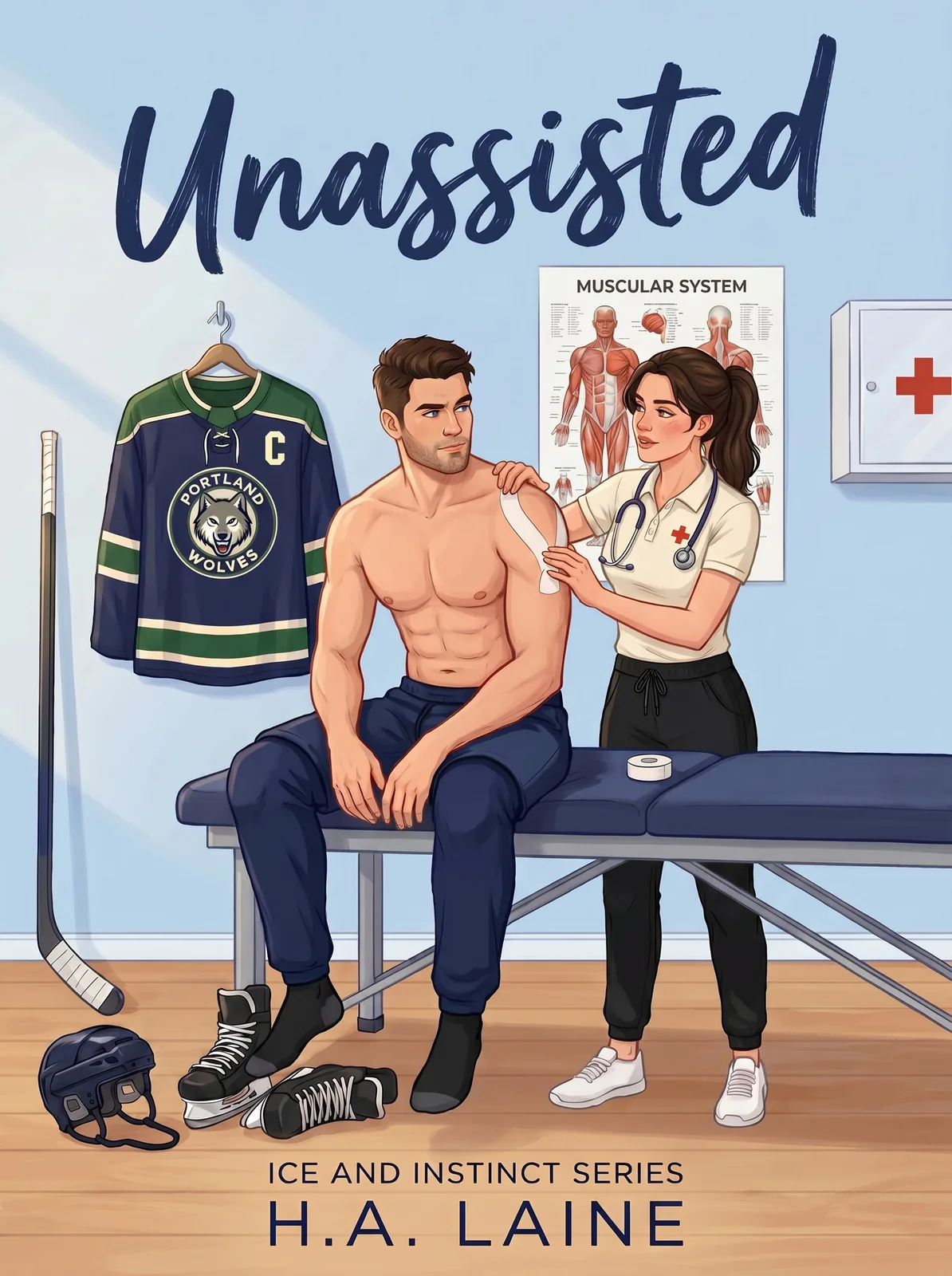
- Unassisted shows the hockey version through daily rehab pressure.
What Is Forced Proximity in Romance?
Forced proximity in romance means two characters cannot keep their normal distance without paying a real cost. They may be stuck in one room, assigned to the same project, sharing a home, traveling together, or locked into a daily rehab schedule. The setting matters, but the real engine is consequence: avoidance stops working.
The meaning is simple. Nearness becomes pressure when leaving would cost them something they care about. Two coworkers in the same building are only near each other. Two coworkers assigned to a high-stakes project they cannot quit are inside a story engine. Two people in a hotel are close. Two people sharing the last available room after the emotional defenses are already cracked are under pressure.
That is why this trope is more than a prop list. One bed, one cabin, one team bus, or one broken-down car can be delicious, but the promise is not square footage. The promise is exposure. Put two careful people close enough for long enough, and eventually one of them sees the exact thing the other has been hiding.
What Makes It Different From Ordinary Proximity?
Ordinary proximity puts characters near each other. A full forced proximity trope removes the easy exit.
If the heroine can leave with no consequence, if the hero can avoid her by changing shifts, or if the plot could move to a different room without changing the emotional pressure, the story may have closeness, but the trap is not doing enough work.
The best versions have a real reason to stay. Sometimes that reason is practical: injury, work, weather, travel, money, reputation, family, or a team obligation. Sometimes it is emotional: walking away would keep them safe, but it would also protect the lie they have been telling themselves.
Think of the difference this way: two neighbors who wave every morning have proximity. Two neighbors sharing one storm-damaged wall, one insurance deadline, and one contractor who keeps disappearing have a romance setup with teeth. Distance has become expensive.
What Does The Trope Expose?
This setup exposes the version of a character they usually manage to hide. It catches the bad mood before coffee, the quiet competence after a crisis, the way someone notices pain before anyone else does, and the private rituals that turn attraction into proof.
That is why the same emotional engine can work in a cabin, a team bus, a press corridor, a shared apartment, or a treatment room. The location changes. The pressure stays the same: stay close long enough, and the performance starts slipping.
Why Do Readers Love Forced Proximity?
Readers love it because intimacy feels earned by evidence. Attraction does not arrive as a lightning strike and ask us to accept it on faith. It gathers in small, repeatable moments: a towel left warm, a ride home, a corrected coffee order, a hand hovering where it should not.
There is a psychological cousin here. Robert Zajonc's 1968 work on the mere exposure effect showed that repeated exposure can increase familiarity and preference. Romance uses that idea emotionally. The more often the characters are required to notice each other, the harder it becomes to keep the old story intact.
The other pleasure is involuntary vulnerability. Early attraction lets people curate themselves. This trope removes that luxury. Nobody can stay mysterious forever when the other person has seen them exhausted, hungry, jealous, careful, or kind when no one was supposed to be watching.
That is the ache. Not being trapped with someone attractive. Being trapped with someone who keeps seeing the truth.
A strong romance also lets desire arrive sideways. The couple does not need to confess immediately because the story keeps creating evidence before confession. He remembers how she takes her coffee. She notices the limp he is trying to hide.
They learn each other's silences before they are ready to name the feeling. By the time the kiss happens, the reader has already watched the relationship become intimate in everything except language.
Which Forced Proximity Setup Should You Read First?
Choose the setup by the kind of escape route you want the story to remove. A snowstorm removes physical distance. A workplace removes professional distance. A rehab schedule removes the option to pretend care is casual. A shared home removes the ability to keep private habits private.
Setup Selector
Choose By The Exit The Story Removes
Different forced proximity setups create different reasons the characters cannot just leave.
Rehab Room
Care repeats until restraint has a cost.
Workplace
Professional control starts to crack.
Road Trip
Motion creates confessions without eye contact.
Roommates
Routine becomes intimacy.
Snowed In
Isolation shrinks the world to one person.
| Setup lane | What traps them | What it exposes | Choose this if |
|---|---|---|---|
| Rehab or training room | Repeated care, injury, and professional duty | Pain, competence, restraint, and trust | You want care to feel risky before it feels safe |
| Workplace or press access | Shared assignments, public stakes, and reputation | Control, ambition, honesty, and attention | You want restraint with a visible cost |
| Shared home or roommates | Domestic routine and private habits | Softness, mess, ritual, and unguarded comfort | You want intimacy to grow from daily evidence |
| Road trip or travel | Time together without easy exits | Fatigue, confession, banter, and honesty | You want motion to loosen old defenses |
| Snowed in or one room | Physical isolation and limited options | Need, vulnerability, heat, and trust | You want the classic closed-door pressure cooker |
Use the table as a mood filter, not a rulebook. If you want a quieter romance, shared-home pressure usually gives you routine and domestic softness. If you want sharper tension, workplace and media access create public consequences. If you want the body to matter on the page, rehab, training, injury, and sports environments make care impossible to keep abstract.
For hockey romance, that last lane is the one I find most interesting. A player can perform control for a crowd. He cannot always perform it on a treatment table, after practice, when the person touching the injury also knows exactly how much pain he is pretending not to feel.
How Is It Different From Fake Dating?
Fake dating and forced closeness often overlap, but they are not the same promise.
Fake dating asks what happens when two people perform a relationship until the performance starts telling the truth. The pressure comes from the public script: family dinners, social media, teammates, friends, or a bargain both characters agreed to keep.
Forced closeness asks what happens when two people cannot avoid private evidence. The pressure comes from repeated contact: shared routines, limited exits, professional obligation, travel, care, injury, or space that keeps shrinking around them.
A book can use both. A fake relationship can create repeated contact. A shared room can make the performance harder to maintain. But the reader question is different. Fake dating says: when does the lie become real? Forced closeness says: what do they learn when distance stops protecting them?
Five Forced Proximity Examples That Show The Range
This trope is not one flavor. It can be soft, funny, sharp, ethical, domestic, or professionally dangerous. The examples here are not a ranked list. They show different ways a romance can close an exit.
The two H.A. Laine books are mine, so I am naming that plainly. They belong here because Ice and Instinct uses hockey pressure as the trap: treatment rooms, locker-room access, team schedules, public stakes, and repeated contact that makes emotional distance harder to maintain.
The external examples show other lanes. The Flatshare makes shared space tender even before the couple shares a room in the usual way. The Hating Game turns a workplace into a daily theater of irritation, attention, and denial.
Act Your Age, Eve Brown uses practical dependence and forced competence, which gives the romance its warmth. Different rooms. Same question: what happens when the person you are avoiding becomes part of your daily weather?
Example Shelf
Five Ways Forced Proximity Can Trap The Heart
These examples are here to show the range of the trope, from hockey rehab and media access to shared homes, office rivalry, and forced workplace competence.
Best for
Rehab-room proximity with ethical stakes.
Heat
High
Why it fits
Athletic therapist, injured captain, repeated treatment, and a line neither can casually cross.
Choose this if
You want forced proximity where care itself becomes dangerous.
Tropes
Kindle Unlimited
Read on Amazon
Best for
Locker-room access and public truth.
Heat
Medium
Why it fits
A journalist, a source, team access, and repeated contact neither side fully controls.
Choose this if
You want proximity shaped by questions, reputation, and being seen too closely.
Tropes
Kindle Unlimited
Read on Amazon
Best for
Domestic intimacy without constant face time.
Heat
Low
Why it fits
A shared home, private habits, and closeness built through traces.
Choose this if
You want routine to become intimacy before the couple fully understands it.
Tropes

Best for
Office rivalry with no clean escape.
Heat
Medium
Why it fits
Desk proximity, ambition, observation, and daily performance.
Choose this if
You want irritation to become a form of attention.
Tropes

Best for
Forced proximity with funny, messy self-trust.
Heat
Medium
Why it fits
An inn, a job, an injury, and two people forced into each other's systems.
Choose this if
You want proximity to expose competence before confession.
Tropes
How Ice and Instinct Uses Forced Proximity
In Unassisted, the trap lives in the rehab room. Elena is an athletic therapist. Declan is an injured captain. The schedule requires contact, attention, physical care, and restraint before either of them has permission to want more. If Declan walks away, he risks the season. If Elena walks away, she risks the work she is responsible for doing. That is why the closeness has teeth.
In Between the Glass, the trap is access. A journalist and a player can both pretend distance is cleaner, but the story keeps placing truth, reputation, and recognition in the same corridor. The cost of leaving is different here. Walk away and the story stays false. Stay and the line between public questions and private knowledge gets harder to defend.
That is the hockey version I keep coming back to: the ice is loud, public, and brutal, but the real pressure often happens in the rooms around it. Treatment tables. Interview scrums. Team hotels. Hallways after everyone else has gone home.
This is also where the setup differs from forbidden romance, even when the same book contains both. Forbidden romance asks whether the line should be crossed. Forced closeness asks what happens when the characters have to stand beside the line every day and pretend the standing does not change them.
If that is the version you want, start with Unassisted for rehab-room pressure, then read Between the Glass for the media-access version. Both are also available on Amazon and Kindle Unlimited.
If you want to test the tone before committing, the free starter library gives you the first three chapters and a cleaner way to feel the pressure before choosing your lane.
When Forced Proximity Falls Flat
This setup falls flat when the story has no real cost to leaving. If the characters could go home, change schedules, book another room, ask for a different partner, or stop showing up with no meaningful consequence, the pressure starts to feel decorative.
It also weakens when the setup disappears after the first act. A single awkward night can be fun, but the best version keeps changing what the characters know. By the midpoint, the room should not be the only reason they are still circling each other. The emotional problem should have become harder to leave than the location.
As a reader, that is the red flag I watch for: does the setup expose something new, or does it only keep the couple close until the plot needs them to kiss? I will forgive a convenient storm. I will not forgive a room that teaches me nothing.
The strongest versions keep escalating the meaning of the space. At first, the room is awkward. Then it becomes familiar. Then it becomes dangerous because the characters know too much. By the end, leaving the room is easy. Leaving the person is not.
Related Reading
If this is the part of romance that hooks you, these guides may help you find the neighboring feelings:
- Slow burn romance that actually pays off if you want the wait to matter.
- Romance where both characters are guarded if you want both people resisting the pull.
- Why forbidden romance works if the rule itself is the point.
- The emotional walls trope if you want the defense system more than the room.
- Ice and Instinct reading order if you want the full hockey romance path.
If You Want The Hockey Version
Forced proximity works because it makes avoidance expensive. In hockey romance, that expense can feel especially sharp because bodies, schedules, injuries, interviews, travel, and public performance are already part of the world.
Start with Unassisted if you want the rehab-room version: care, restraint, heat, and an ethical line that cannot be crossed casually. Continue with Between the Glass if you want the press-access version: questions, reputation, and the slow danger of being seen too clearly.
If you want to sample the series first, read the first three chapters free and see whether the pressure catches.
Frequently Asked Questions
- What is forced proximity in romance?
- Forced proximity is a romance trope where two characters are placed in unavoidable close contact, such as shared housing, workplace assignments, rehab sessions, road trips, or snowbound rooms. The setup matters because leaving has a real cost.
- Why does forced proximity work so well in romance?
- Forced proximity works because it creates repeated contact, involuntary vulnerability, and shared routine. Characters see each other's private habits and defenses until attraction stops feeling like a sudden choice and starts feeling like evidence.
- What is the difference between proximity and forced proximity?
- Proximity means two characters are near each other. Forced proximity means the story removes the easy exit. Two coworkers sharing a building is proximity. Two coworkers assigned to the same high-stakes project they cannot quit is forced proximity.
- What are the main forced proximity setups?
- The main forced proximity setups are shared rooms or homes, workplaces, medical or rehab routines, road trips, stranded locations, team facilities, and assignments that require repeated contact. Each setup exposes a different defense.
- What makes forced proximity feel cheap?
- Forced proximity feels cheap when the characters could easily leave, when the obstacle exists only for one scene, or when the setup does not reveal anything new. The best versions make leaving solve the logistics while worsening the emotional problem.
- How does Ice and Instinct use forced proximity?
- Ice and Instinct uses forced proximity through hockey pressure: daily rehab in Unassisted, locker-room and media access in Between the Glass, team travel, professional stakes, and repeated contact that makes emotional distance harder to maintain.
- What forced proximity romance should hockey romance readers start with?
- Start with Unassisted if you want the rehab-room version: injured captain, athletic therapist, forbidden professional line, and daily care that cannot stay casual. Choose Between the Glass next if you want journalist and source pressure.
Next Step
Keep Reading With H.A. Laine
Get the free starter library, then choose the Ice and Instinct book that fits your mood.