

9 min read
Romance Heat Levels Explained: From Sweet To Scorching
A clear guide to romance heat levels, open-door romance, spice ratings, and where H.A. Laine's Ice and Instinct series fits.
Key Takeaways
- Romance heat levels describe how much intimacy appears on the page.
- Open-door romance keeps readers in the room, but detail still varies by book.
- Pepper ratings are reader shorthand, not a universal industry standard.
- Ice and Instinct sits in the open-door lane, with higher heat in Books 4 and 5.
What Do Romance Heat Levels Mean?
Romance heat levels describe how much physical intimacy appears on the page, from sweet romance where the bedroom door stays closed to scorching romance where explicit scenes are central to the promise. Heat is not a quality score. It is how much of the door is open.
That distinction matters because romance readers are not all asking for the same kind of intimacy. Some readers want longing, restraint, and courtship. Some want open-door scenes that change the relationship. Some want high heat and want the book to be honest about that before they buy it.
A useful heat label should do one simple job: help you choose a book that lets you stay inside the story instead of bracing against it.
Quick Heat-Level Map
| Heat Level | What Is On The Page | Best Reader Fit | What To Search For |
|---|---|---|---|
| Sweet | Kissing, longing, emotional intimacy, and little or no on-page sexual content | Readers who want comfort, courtship, and emotional payoff without explicit detail | sweet romance, clean romance, kisses only |
| Closed Door | Desire is clear, but intimate scenes fade out or stay implied | Readers who want chemistry without being in the room for the details | closed-door romance, fade to black romance |
| Open Door (Steamy) | Intimacy is shown on page and usually tied to the relationship arc | Readers who want heat with emotional context and character consequence | open-door romance, steamy romance, spice level 3 |
| Spicy | More explicit detail, more frequency, or a stronger emphasis on the physical relationship | Readers who want heat to be a major part of the reading experience | spicy romance, high heat romance, spice level 4 |
| Scorching | Very explicit or high-frequency scenes, often with kink, taboo, or boundary-pushing content | Readers who want the heat to be central and who check content notes first | scorching romance, extra spicy romance, spice level 5 |
A table can make this look cleaner than it feels in real reader life. The labels help, but they are not law. Two readers can finish the same book and describe it differently because comfort level, genre history, and expectation all change the temperature.
Use the search terms as starting language, not as verdicts. A book can be tagged open-door and still feel gentle if the scene is short, tender, and rare. Another book can be tagged spicy and still feel emotionally careful if the heat is doing relationship work instead of only increasing intensity.
That is why I prefer labels that describe both visibility and function. Visibility tells you what the page shows. Function tells you why the scene belongs. A reader who wants comfort needs the first signal. A reader who wants payoff needs the second.
What Each Heat Level Feels Like To Read
Sweet romance puts the pressure into longing. The story may be deeply romantic, even devastating, but it keeps explicit intimacy off the page. If you like emotional tension, near touches, meaningful kisses, and the ache of what is not said, sweet romance can still hit hard.
Closed-door romance lets desire matter without making the details visible. You know the characters want each other. You may know they become intimate. The scene simply turns away before the explicit part. The door closes, but the silence after can be louder than the scene. This can work beautifully when the book is more interested in aftermath, vulnerability, or the emotional shift around the scene than the scene itself.
Open-door romance keeps the reader in the room. That does not mean the book stops being emotional. In the best romances, the door opens because the emotion has nowhere else to go. The scene should reveal something: trust, fear, safety, power, surrender, honesty, or a relationship line that can no longer hold.
Spicy romance raises the detail or the frequency. The heat becomes a larger part of the texture of the book. That can be playful, intense, tender, messy, or risky depending on the story. A good spicy romance still knows why the scene belongs. A pepper rating tells you how much is shown. It does not tell you whether the scene matters to the people in it.
Scorching romance makes explicit heat part of the main promise. This is the lane where content notes matter most because readers may be choosing not only intensity, but specific boundaries. Scorching does not automatically mean dark romance, kink, or taboo, but those elements appear more often here than in softer heat lanes.
There is also a pace difference. A slow-burn open-door book may have fewer intimate scenes than a fast, spicy romance, but those scenes can feel hotter because the book has made you wait with the characters. Frequency and intensity are not the same thing. A single scene after three hundred pages of restraint can carry more heat than several scenes that leave the couple unchanged.
This is especially true in sports romance. Bodies already matter in the story. Injury, tape residue, cold benches, fatigue, public performance, and physical competence are part of the atmosphere before anyone kisses. When a hockey romance understands that, the heat does not feel pasted on. It feels like the body finally admitting what the character has been refusing to say.
The better question is not, "Which heat level is best?" The better question is, "Which heat level gives me the kind of attention I want from this book?"
Why The Same Book Shows Different Heat Ratings
Pepper ratings are reader shorthand, not a universal industry system. Goodreads does not have an official romance heat scale, so readers often put spice ratings inside reviews or shelves. Amazon product pages do not have a romance heat rating, so readers rely on blurbs, previews, reviews, and content clues. BookTok uses pepper language heavily, but one reader's five peppers may be another reader's three.
StoryGraph can be useful because its book pages may include user-submitted and author-approved content warnings, including sexual content. That still is not the same as a universal heat scale. Content warnings can tell you what readers noticed. They cannot fully tell you how the scene feels, how often it appears, or whether it changes the relationship.
If you are checking a book before you buy it, use more than one signal. Search the title plus "spice level." Read a few mid-range reviews, not only the most glowing or most angry ones. Check whether the blurb says sweet, closed door, open door, steamy, spicy, or explicit. Use the preview if the platform gives you one.
And if you want to test my heat level before starting the full series, read the first three chapters free. That is the lowest-risk way to see whether the voice, restraint, and payoff feel like your lane.
Where Ice And Instinct Sits On The Heat Map
Ice and Instinct lives in the open-door hockey romance lane, but not every book uses heat the same way. Unassisted, Between the Glass, and Short Side are slow-burn open door. Last Change and Last Save move higher because the intimacy has more frequency and consequence.
In Ice and Instinct, the heat lands harder because the characters are guarded. Every touch carries the weight of everything they have not said yet. Declan and Elena's intimacy in Unassisted comes through injury, clinical care, and a professional line that should not blur.
Ben and Renee's in Between the Glass has media pressure around it. Carter and Wren's in Short Side comes after performance starts failing. Vince and Elara in Last Change have history, family, and surrender in the room. Risa and Milo in Last Save have testimony, age gap, and career risk pressing against every choice.
That is why I do not label the whole series with one flat number and walk away. The series has a consistent promise, open-door hockey romance with emotional stakes, but each couple changes the heat's job.
Ice And Instinct
Five Books, Two Open-Door Lanes
All five books are H.A. Laine hockey romances. Use the shelf to match heat level with trope pressure, emotional consequence, and the book page or Amazon path.

Best for
Slow burn to spicy payoff.
Heat
Open Door, 3 of 5
Why it fits
Clinical care becomes trust before it becomes confession.
Choose this if
You want the heat to feel earned through touch, restraint, and professional risk.
Tropes
Kindle Unlimited
Read on Amazon
Best for
Restraint with emotional exposure.
Heat
Slow Burn Open Door, 3 of 5
Why it fits
Off-the-record tension becomes the safest private language.
Choose this if
You want the open door to arrive after skepticism starts turning into trust.
Tropes
Kindle Unlimited
Read on Amazon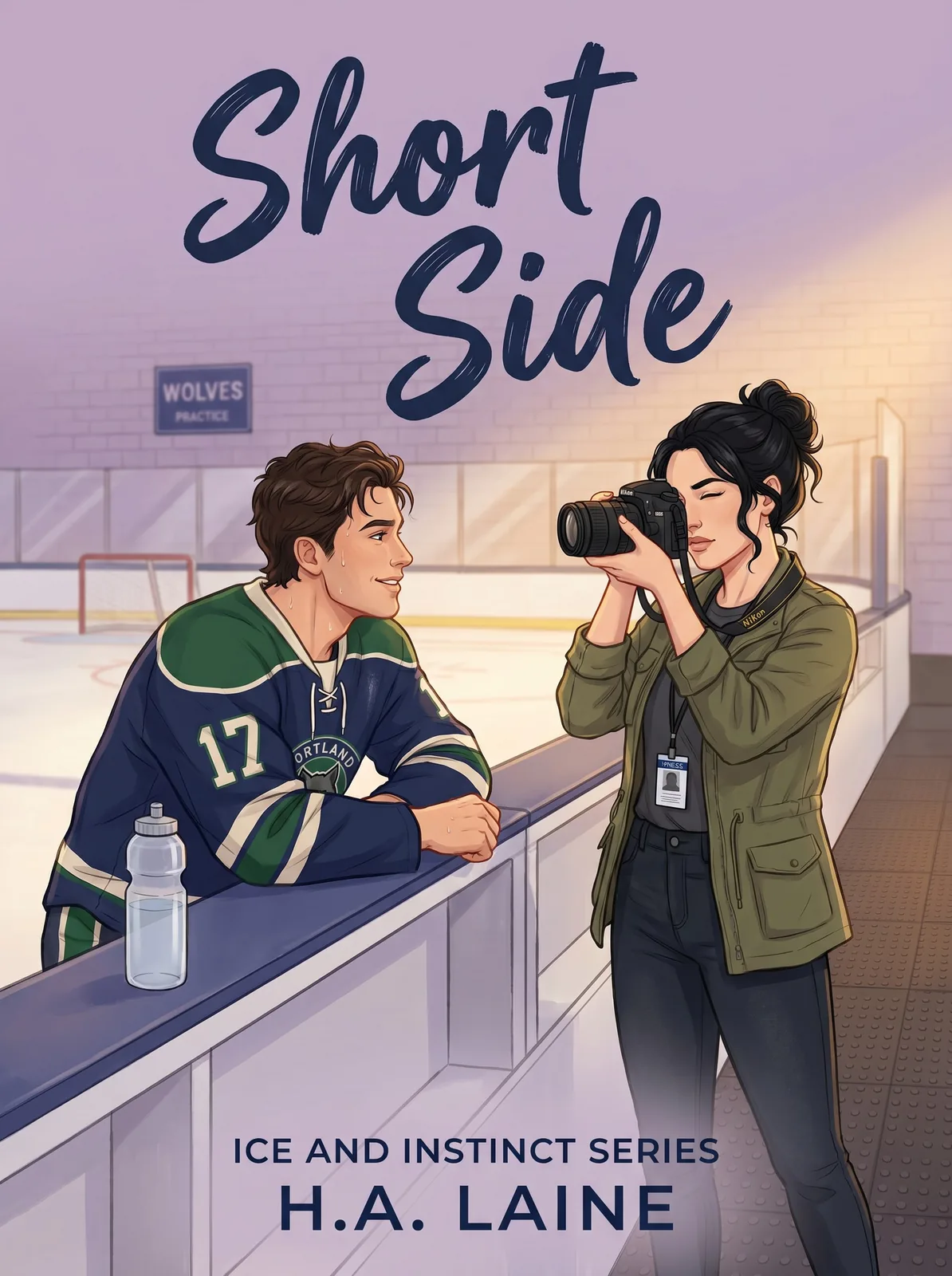
Best for
Softness after exposure.
Heat
Slow Burn Open Door, 3 of 5
Why it fits
The frame game turns seeing and being seen into romantic pressure.
Choose this if
You want the heat to feel like the moment someone stops posing.
Tropes
Kindle Unlimited
Read on Amazon
Best for
Highest series heat.
Heat
High Open Door, 4 of 5
Why it fits
Showing up becomes a love language before the relationship can admit what it is.
Choose this if
You want a warmer, fuller heat level with family stakes and a hero who falls first.
Tropes
Kindle Unlimited
Read on Amazon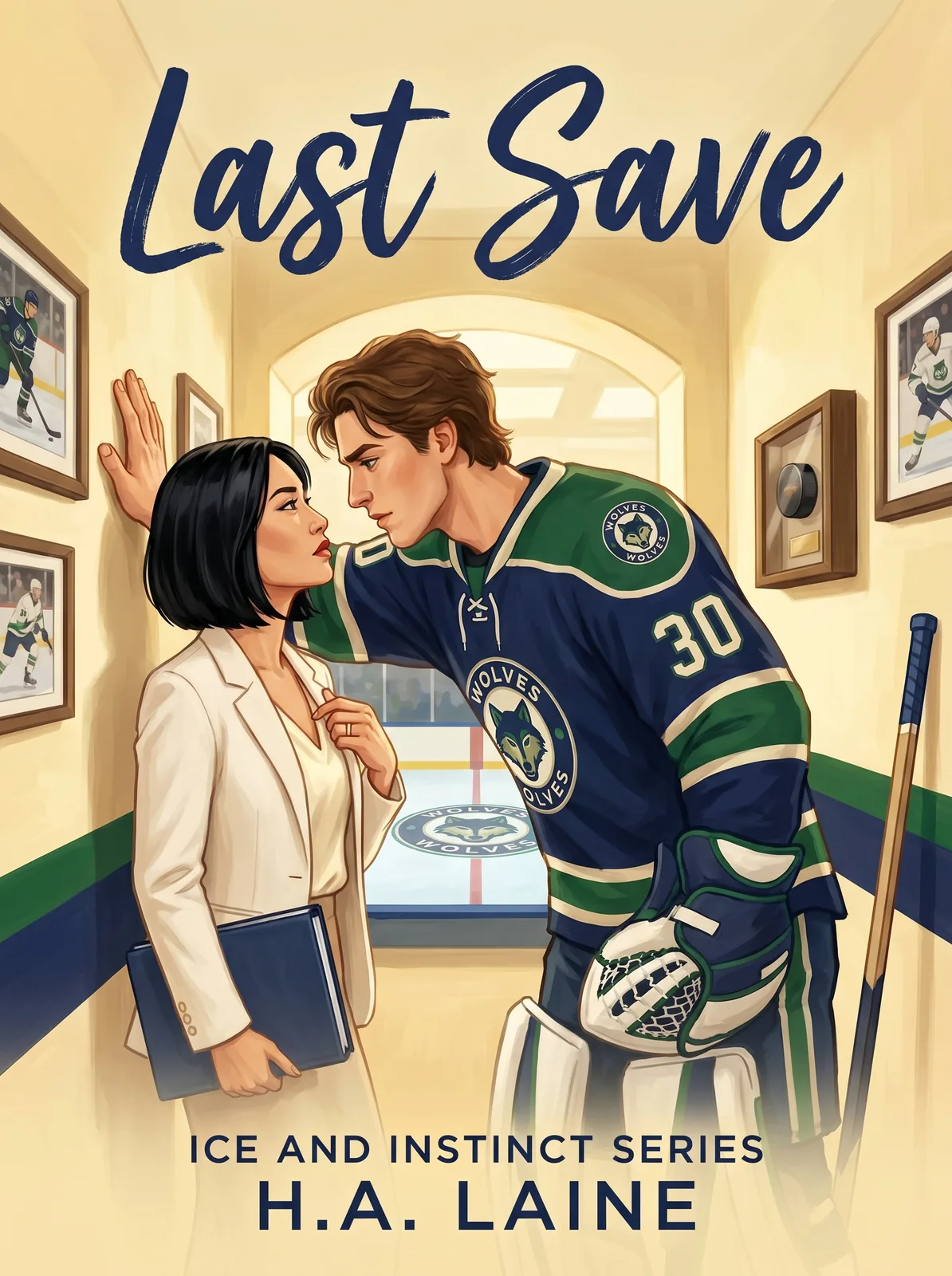
Best for
High heat with career risk.
Heat
High Open Door, 4 of 5
Why it fits
Legal procedure and goaltending reads become intimacy under pressure.
Choose this if
You want explicit scenes to carry testimony, trust, and professional consequence.
Tropes
Kindle Unlimited
Read on AmazonHow Should You Choose Your Romance Heat Level?
Choose comfort first. If explicit detail makes you tense for the wrong reason, go sweeter. If closed-door scenes leave you feeling locked out of the relationship, choose open door. If you want intimacy to carry major plot and emotional movement, spicy or high heat may be the better fit.
Reader Fit
Choose Heat By Comfort And Consequence
The best heat level is the one that keeps you inside the story and gives intimacy the job you want it to do.
Comfort
Choose sweet or closed door when you want longing without explicit detail.
Tension
Choose closed door or open door when anticipation matters most.
Turning Point
Choose open door when intimacy changes trust or honesty.
Consequence
Choose spicy or high heat when explicit scenes carry major relationship movement.
Then choose by function. Do you want longing? Closed-door can be perfect. Do you want intimacy to become a turning point? Open door is usually the stronger lane. Do you want the heat to be part of the book's main promise? Look for spicy, high heat, or scorching labels and check content notes before you start.
I do not think a reader has to apologize for any of those choices. Romance is one of the few genres that regularly tries to tell you how close the camera will get before you open the book. That is not a weakness. That is reader respect. It is also how trust starts before Chapter 1.
One more useful test: decide what would disappoint you before you start. If you would feel cheated when a book fades to black, closed door is probably not your lane for that night. If you would skim explicit scenes because you are waiting for the emotional fallout, choose books that describe the heat as character-driven, slow burn, or consequence-heavy. Those phrases usually matter more than the number.
I also pay attention to whether a blurb names the heat honestly. Steamy, spicy, open door, and closed door are not perfect labels, but they are useful promises. The reader should not have to become a detective just to know how close the camera gets.
If you are choosing inside Ice and Instinct, start with Unassisted if you want the slowest professional-boundary burn. Choose Between the Glass if you want truth and media pressure. Choose Short Side if you want fake dating and the ache of being seen.
Choose Last Change if you want the highest heat and family stakes. Choose Last Save if you want age gap, workplace risk, and high heat tied to testimony.
Related Reading
- What Is Forced Proximity Romance?: why the room matters when characters cannot leave each other's orbit.
- The Emotional Walls Trope: how guarded characters make trust feel earned.
- Ice and Instinct Reading Order: where to start the complete Portland Wolves series.
- Hockey Romance With Emotional Depth: why the rink works so well for pressure, restraint, and payoff.
The Bottom Line
Romance heat levels are not a moral ladder and they are not a quality ladder. They are expectation tools.
Sweet and closed-door romance can be emotionally devastating. Open-door romance can be tender, literary, funny, aching, or risky. Spicy and scorching romance can be shallow or unforgettable, depending on whether the heat actually changes the people on the page.
Choose the heat level that lets you relax into the story. Then choose the book that uses that heat for something you care about.
Frequently Asked Questions
- What does open-door romance mean?
- Open-door romance means intimate scenes happen on the page instead of fading to black. The level of detail can still vary, so open door can feel warm, steamy, spicy, or very explicit depending on the book.
- What is the difference between closed-door and open-door romance?
- Closed-door romance acknowledges desire but keeps explicit intimacy off page or fades out before the details. Open-door romance keeps the reader in the room and lets physical intimacy become part of the relationship arc.
- Is steamy romance the same as high-heat romance?
- Not always. Steamy usually means on-page intimacy with emotional context. High-heat romance tends to have more frequent or more explicit scenes, and those scenes are often a larger part of the book's promise.
- Are pepper ratings standardized?
- No. Pepper ratings are reader shorthand, not an official industry scale. A three-pepper rating on one platform may not match a three-pepper rating somewhere else, so it helps to compare reviews, previews, and content notes.
- How spicy is the Ice and Instinct series?
- Ice and Instinct sits in the open-door hockey romance lane. Books 1 through 3 are slow-burn open door, while Books 4 and 5 move higher because the intimacy has more frequency and consequence.
- Which Ice and Instinct book has the most heat?
- Last Change is the highest-heat book in the series, with Last Save close behind it. Both are still romance-forward, which means the scenes are tied to trust, risk, and emotional movement.
- How should I choose a romance heat level?
- Choose by comfort first, then by the emotional job you want the intimacy to do. If explicit scenes pull you out of the story, go sweeter. If you want intimacy to change the relationship on page, choose open door or higher.
Find Your Heat Fit
Want Steamy Hockey Romance With Clear Expectations?
Start with the free starter library, then choose the Ice and Instinct book that matches the heat, trope, and emotional payoff you want.