

10 min read
What Is Grumpy Sunshine Romance? Why Readers Love It
Grumpy sunshine romance works when coldness is armor and warmth has a spine. Learn the trope, spot the good version, and choose your next read.
Quick Answer
Grumpy Sunshine Romance, In One Reader Test
Grumpy sunshine romance works when a guarded lead meets a warm, resilient partner, and the story makes both sides feel earned. The grump needs a reason for the walls. The sunshine lead needs a spine. The payoff is trust, not a personality transplant.
The best grumpy sunshine books make the grump's walls feel necessary, not rude.
Sunshine works when warmth has a spine, history, and a reason to stay warm.
Grumpy is surface behavior. Guarded is the deeper structure readers believe.
H.A. Laine writes the armor under the trope more than the tidy trope label.
What Is Grumpy Sunshine Romance?
Grumpy sunshine romance pairs a guarded, often cold-seeming lead with a warm, resilient partner, and the best versions make the grump's walls feel necessary rather than rude. Grumpy is not cruelty. Sunshine is not naivety.
If you came here to choose your next read, use this as the filter: look for armor, not attitude; warmth with a spine, not cheerleading; and a payoff where the guarded character chooses softness without becoming someone else.
Reader note: The good version is not a rude person being rewarded for manners. It is a defended person discovering that one specific kind of warmth is safer than distance.
The slash in grumpy/sunshine is doing a lot of work. It promises contrast, but contrast alone is not enough. Anyone can put a scowl next to a smile and call it a trope. The books that stay with readers make the contrast feel earned.
In those books, the grumpy lead has a reason to stay controlled. Maybe they lead a team, carry a family, protect a reputation, or learned too early that needing people gives them power over you. The sunshine lead is not there to fix them. They are there because their warmth is steady enough to make the old defense feel less useful.
That is the difference between a trope label and a romance that actually lands.
Why Do Readers Like Grumpy Sunshine Romance?
Readers like grumpy sunshine romance because it turns emotional restraint into visible romantic tension. The pleasure is watching a guarded person become careful with one person, then honest with one person, then soft with one person.
The fantasy is not that warmth fixes coldness. That would be too easy. The fantasy is that the right kind of warmth can find the door without kicking it open.
There is also a private reader satisfaction in the one-person exception. A guarded lead may speak in clipped sentences to everyone else, keep their face unreadable in public, and handle pressure like feeling nothing is part of the job. Then one person walks into the room and the control shifts by half an inch.
Half an inch matters.
The best versions know that readers are not waiting for a personality transplant. They are waiting for recognition. A softer reply. A hand placed where no one else is allowed to touch. The moment the grump chooses patience because this person has become worth the risk.
The sunshine side matters just as much. A weak version makes sunshine decorative: bright clothes, cheerful chatter, relentless optimism. A strong version makes sunshine costly. This person has reasons to shut down too. They simply chose another way to survive.
That is why the trope can feel so intimate. One person survives by closing the door. One person survives by keeping the light on. The romance is the hinge.
It also gives readers a clean emotional promise. If you have ever loved a character who has no idea how tired they are until someone kind enters the room, you already understand the appeal. The grump is not exciting because they are withholding. They are exciting because the book lets you watch the withholding become unnecessary.
That is why the trope often sits close to emotional walls romance. Both tropes care about defenses. The difference is that this pairing puts contrast in the foreground: one person runs cold because cold has kept them safe, and one person runs warm because warmth is the thing they refuse to surrender.
Grumpy, Guarded, Or Just Rude?
Grumpy is surface behavior. Guarded is the deeper structure. Rude is what happens when the story asks you to excuse harm without making the character earn trust.
Armor Map
Grumpy Is Surface. Guarded Is Structure.
The trope works when coldness has a job and warmth makes the old defense less useful.
Surface
The grump looks cold, blunt, or closed off.
Structure
The distance protects status, grief, safety, or control.
Warmth
The sunshine lead stays kind without losing self-respect.
Choice
Softness becomes a deliberate risk, not a personality flip.
| Reader Question | Weak Version | Earned Version | What It Means For Your TBR |
|---|---|---|---|
| Why are they cold? | Because the book needs a grump | Because distance protects something real | Better odds of emotional payoff |
| How do they treat people? | Cruel to everyone, then forgiven | Controlled, blunt, or withdrawn, but not careless with power | The romance can stay believable |
| What does sunshine do? | Performs cheer until the grump melts | Holds warmth without surrendering self-respect | The sunshine lead feels like a full person |
| What changes? | The grump becomes nice overnight | The grump chooses access, trust, and softness in specific ways | The ending feels earned |
| What should you skip? | Meanness sold as depth | Any book where apology never costs anything | Your patience is protected |
This is the line I care about as a reader: grumpy is the surface. Guarded is the structure.
A guarded lead may be difficult, but the book understands why. Their distance has a job. Their silence has history. Their competence, reputation, or control has become part of how they stay safe.
A rude lead is different. Rudeness punches down. It enjoys the power imbalance. It expects the sunshine character to absorb damage and call it chemistry.
That is not the same itch.
The earned version gives you friction without asking you to turn off your sense of self-protection. You can feel the tension and still trust the story. You can want the walls down and still believe the walls made sense.
A good shortcut is to look at how the grump behaves around people with less power. If the lead is sharp with the world but careful with anyone vulnerable, the book may be building a real guarded character. If the lead humiliates people and the story calls that intensity, I usually stop trusting the romance.
The apology matters too. In an earned version, the guarded person eventually sees the damage their distance caused. They do not need to grovel for being introverted, serious, or private. They do need to take responsibility when armor becomes a weapon.
What Makes A Sunshine Character Worth Rooting For?
A sunshine character works when warmth has a spine. The character can be generous, playful, open, or bright, but they still need boundaries, taste, and a life that exists outside the grump's weather.
The version I trust most is not the person who never gets hurt. It is the person who knows hurt intimately and still refuses to become smaller because of it.
That distinction changes the whole book.
Naive sunshine does not understand risk. Resilient sunshine understands risk and chooses warmth anyway. One reads as convenient. The other reads as courage.
This is why the best sunshine characters are often more powerful than they first appear. They notice the flinch behind the insult. They refuse to beg for basic decency. They can be kind without being available for disrespect. Their softness has limits, which is exactly what makes it believable.
If you are choosing this kind of romance, pay attention to the sunshine lead's inner life. Do they want something besides being chosen? Do they have an emotional cost? Do they ever say no? Does their warmth change the room, or does it only exist to flatter the grump?
The answer tells you whether the book knows what it is doing.
I also watch what the sunshine lead does when the grump is not in the scene. The strongest sunshine characters have friendships, habits, private fears, favorite foods, professional pressure, and bad days. They are not a lamp someone switched on to warm the hero. They are a person.
That matters because romance readers can feel when one lead exists only to unlock the other. Sunshine should create pressure, not disappear into service.
Is Grumpy Sunshine The Same As Enemies To Lovers?
Grumpy sunshine is not the same as enemies to lovers, though the two can overlap. The first is about emotional contrast. Enemies to lovers is about opposition.
In an enemies to lovers book, the leads are on opposite sides of a problem. They may compete, distrust each other, sabotage each other, or want incompatible outcomes. In this trope, the leads do not have to be enemies at all. One may simply be guarded while the other is open.
That is why you can have several combinations:
- A romance where the leads are never enemies, just emotionally mismatched.
- An enemies to lovers romance where both leads are sharp, closed, and equally guarded.
- A book that uses both, where one lead is guarded, the other is warm, and the external conflict gives them a reason to clash.
If you love that emotional contrast, do not chase only the label. Chase the emotional effect. You want contrast, pressure, recognition, and a softening that feels earned.
That same logic is why forced proximity romance pairs so well with this trope. Put a guarded person and a warm person in the same room often enough, especially under pressure, and the act of staying becomes part of the romance.
How Do You Know A Grumpy Sunshine Romance Is Working?
The trope is working when the guarded character's softening feels specific, gradual, and chosen. The story should not reward meanness. It should make trust visible.
Here are the five tests I use when a book is trying to sell me this dynamic:
- The armor has a reason. The grump's distance protects status, grief, safety, control, or responsibility.
- The warmth has a spine. The sunshine lead gives warmth without giving up self-respect.
- The distance costs both people. The guarded lead loses something by staying closed, and the sunshine lead is not endlessly available.
- The softening is chosen. The grump is not tricked, cured, or nagged into feeling. They decide access is worth the risk.
- The ending preserves both selves. The grump does not become bubbly, and the sunshine lead does not become dimmer. They change how they hold each other.
That last one is the quiet test. A romance can have heat, banter, and a perfect grovel, but if the ending makes one character vanish into the other's needs, the trope has failed.
The happy ending should feel like a new room with both people still recognizable inside it.
Reader Checklist
How The Good Version Earns The Payoff
A grumpy sunshine romance should move from protection to recognition to chosen softness.
- 1
reason
Pressure
The walls protect something real.
- 2
defense
Armor
Distance keeps the guarded lead functional.
- 3
trust
Recognition
The warm lead sees the pattern without mocking it.
- 4
risk
Choice
Softness becomes safer than staying closed.
- 5
ending
Payoff
Both people stay themselves and choose access.
Where Do H.A. Laine Books Fit If You Like This Dynamic?
Not every H.A. Laine book is classic contrast romance. I write the armor under the trope more than the tidy label: guarded people, competent people, warm people who are not as unbreakable as they look, and love stories where pressure reveals what someone has been protecting.
If this trope works for you because you like emotional armor meeting warmth, the Ice and Instinct series is the more precise bridge. The books are hockey romance, not a neat trope shelf, but they keep returning to the same emotional question: what happens when being untouchable stops feeling like safety?
Read the first three chapters free if you want the armor pattern in your hands before you choose a book.
Start with Unassisted if you want two guarded professionals in forced proximity, where the rehab room turns competence into intimacy. Declan is not a cartoon grump, and Elena is not sunshine. The appeal is sharper than that: two people who recognize each other's defenses because they built matching ones.
Move to Between the Glass if you like warmth that performs beautifully in public but costs more in private. Ben's charm is not simple sunshine. It is part gift, part shield, and Renee is too perceptive to mistake the performance for the whole man.
Choose Short Side if you want golden retriever energy with hidden depth. Carter looks easier from a distance than he is up close, which makes Wren's caution matter. This is not the classic version either. It is a bright mask meeting a woman who does not trust masks.
Try Last Change if you want quiet guarded devotion, single-parent pressure, and a man whose softness appears in actions before language. Vince is not loud about what he feels. That is part of the ache.
I left Last Save off this short shelf on purpose. It belongs to a different pressure point: reverse age gap, forbidden workplace romance, and career risk rather than the cold-warm contrast lane.
If You Like The Armor Under Grumpy Sunshine
Try These H.A. Laine Books
These are not all classic grumpy sunshine. They fit the deeper reader itch: guarded competence, public pressure, and warmth that has to be earned.
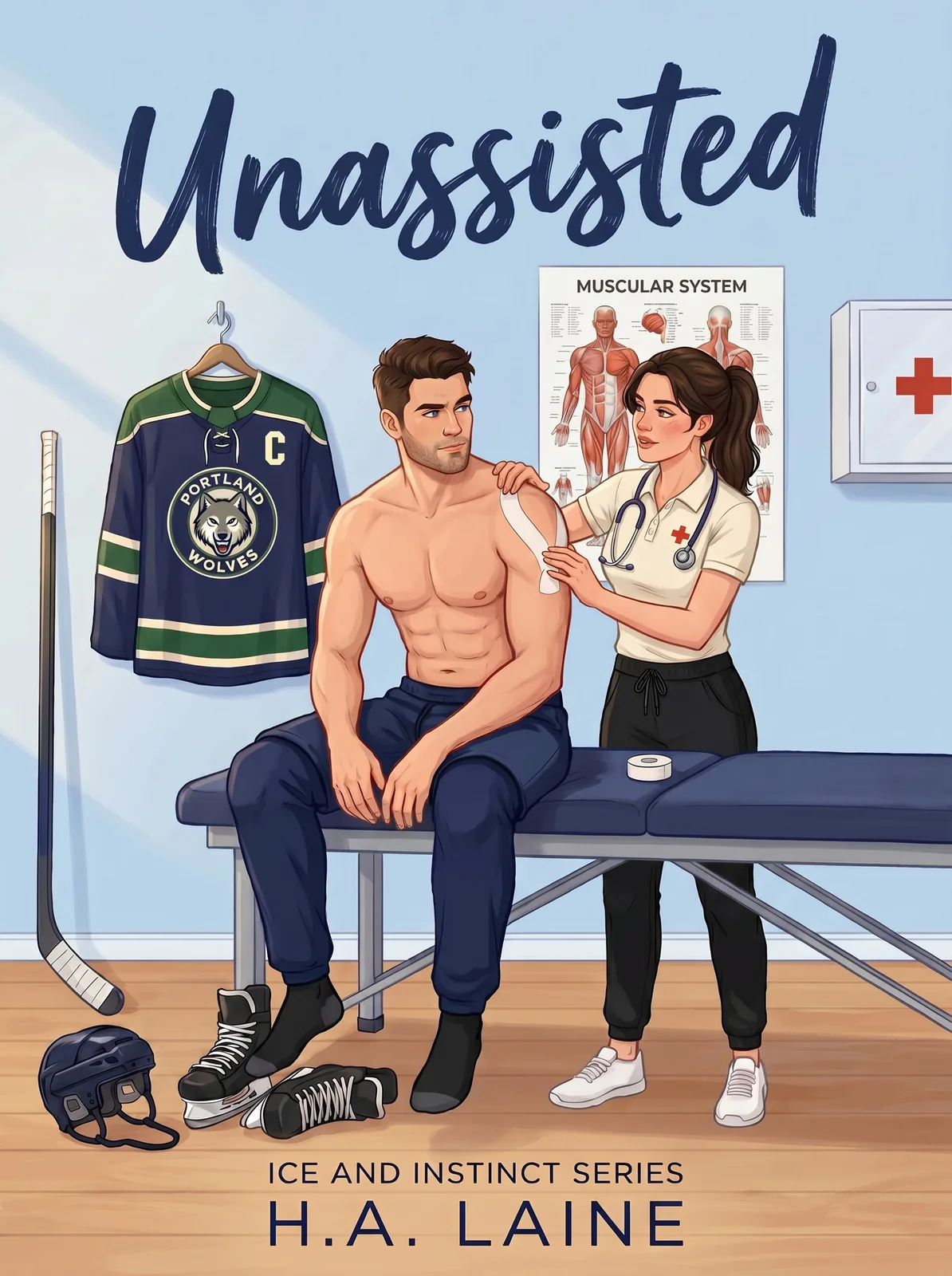
Best for
Dual-guarded forced proximity
Heat
Steamy slow burn
Why it fits
Armor, competence, injury pressure, and trust earned through daily proximity.
Choose this if
You want the trope's emotional armor without a simple sunshine cure.
Tropes
Kindle Unlimited
Read on Amazon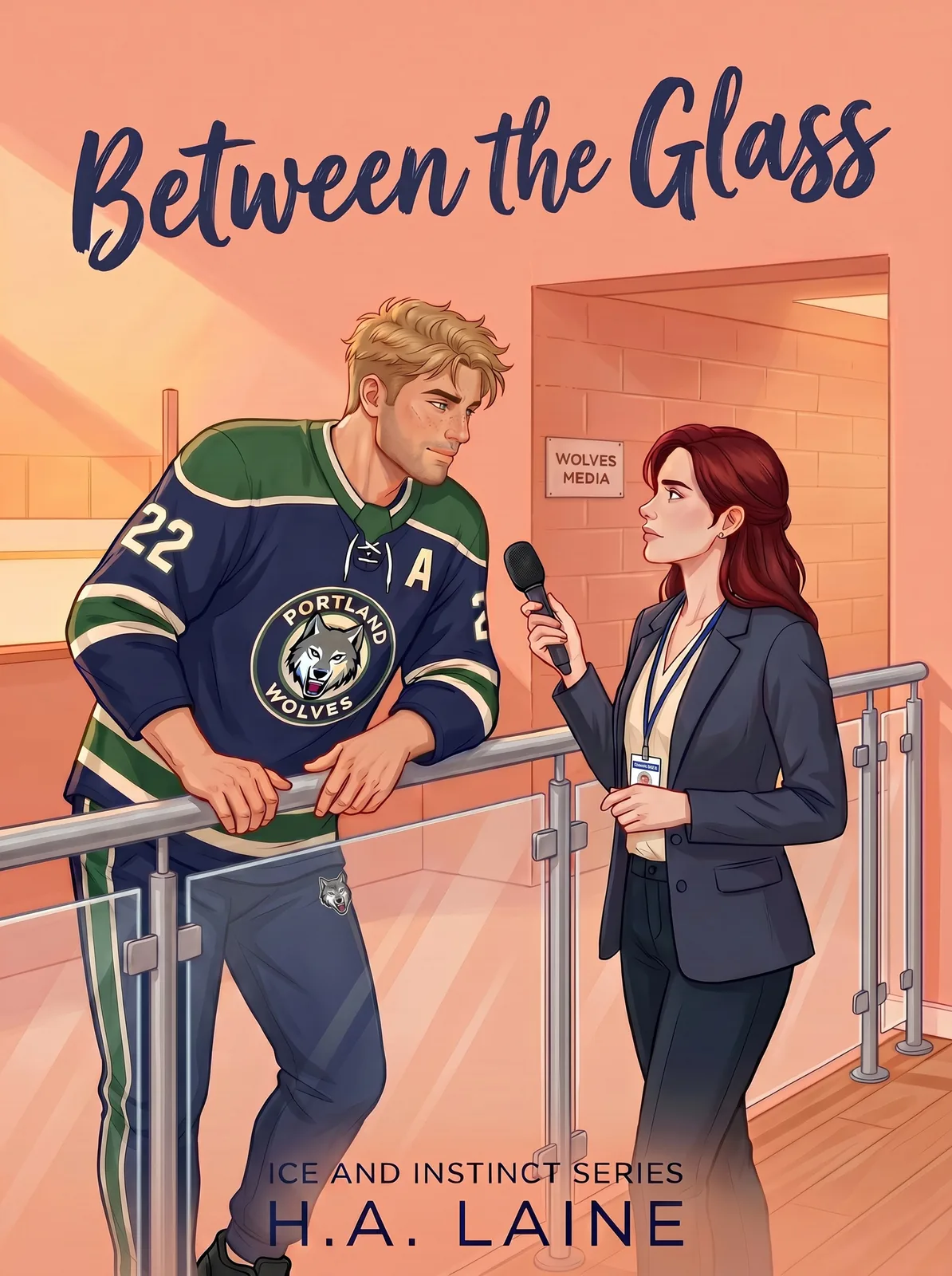
Best for
Sunshine as performance
Heat
Medium open door
Why it fits
Public charm, hidden pressure, professional stakes, and guarded recognition.
Choose this if
You want warmth that looks easy until the cost shows.
Tropes
Kindle Unlimited
Read on Amazon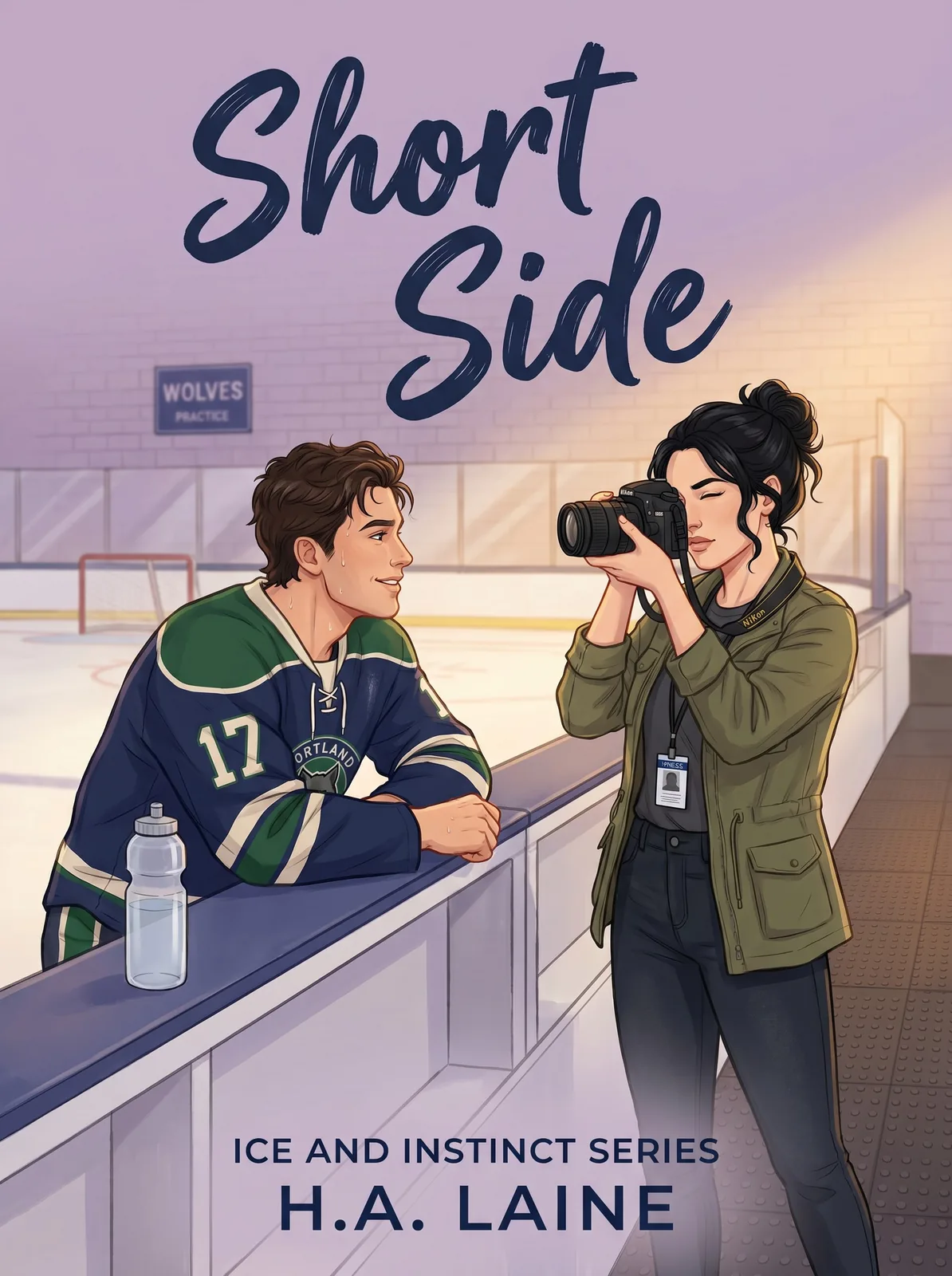
Best for
Golden retriever with hidden depth
Heat
Medium open door
Why it fits
Bright surface, guarded heroine, public pressure, and trust built past performance.
Choose this if
You want the sunshine side complicated by hidden depth.
Tropes
Kindle Unlimited
Read on Amazon
Best for
Quiet guarded devotion
Heat
High heat open door
Why it fits
Single-parent pressure, restraint, caretaking, and love that earns trust in small actions.
Choose this if
You want a softer lane where the armor is quiet but still real.
Tropes
Kindle Unlimited
Read on AmazonWhere To Read Next If This Is Your Lane
If you are here for the classic version, look for the books where the grump has a reason, the sunshine has boundaries, and the ending does not punish either person for being who they are.
If you are here for the thing under it, the guarded person finally letting one specific warmth through, then start with H.A. Laine's hockey romances and pay attention to the pressure points: injury, reputation, ethics, family, work, and the private cost of control.
If you want more trope paths before choosing, these are the closest reader guides:
- The emotional walls trope if you want guarded hearts and the cost of letting someone in.
- Forced proximity romance if you want the pressure of staying in the same room.
- Romance where both characters are guarded if you prefer two armored people rather than one grump and one sunshine lead.
- Hockey romance with emotional depth if you want the rink to matter beyond decoration.
The line I keep coming back to is simple. Cold is not romantic by itself. Warmth is not romantic by itself. The romance begins when both become a choice.
Get the free starter library for the first three chapters, then choose the Ice and Instinct book that matches the kind of armor you want to watch soften.
Frequently Asked Questions
- What is grumpy sunshine romance?
- Grumpy sunshine romance pairs a guarded, often cold-seeming lead with a warm, resilient partner. The trope works best when the grump's walls have a reason and the sunshine character has boundaries, history, and self-respect.
- Why do readers like grumpy sunshine romance?
- Readers like grumpy sunshine romance because it makes emotional restraint visible. The satisfaction is watching a guarded person become careful, honest, and soft with one specific person without losing who they are.
- What is the difference between grumpy and guarded?
- Grumpy is surface behavior. Guarded is the deeper structure behind it. A guarded character has a reason for distance, such as pressure, grief, safety, control, or responsibility. A merely rude character has not earned that patience.
- Can a sunshine character be strong?
- Yes. A strong sunshine character is warm without being naive. They keep boundaries, want something outside the grump's approval, and choose warmth as a form of courage rather than a lack of difficulty.
- Is grumpy sunshine the same as enemies to lovers?
- No. Grumpy sunshine is about emotional contrast between guardedness and warmth. Enemies to lovers is about opposition, rivalry, or conflict. A book can use both, but one does not require the other.
- Which H.A. Laine book should I read if I like grumpy sunshine?
- Start with Unassisted if you like guarded competence and forced proximity. It is not classic grumpy sunshine, but it carries the deeper armor pattern: two professionals under pressure learning that trust can be safer than control.
- Are the Ice and Instinct books on Kindle Unlimited?
- Yes. All five Ice and Instinct books are available on Amazon and Kindle Unlimited, including Unassisted, Between the Glass, Short Side, Last Change, and Last Save.
Reader Path
Want The Armor Pattern On The Page?
Start with the free starter library, then choose the Ice and Instinct book whose pressure point fits the kind of guarded softness you want to read.